
Executive Summary:
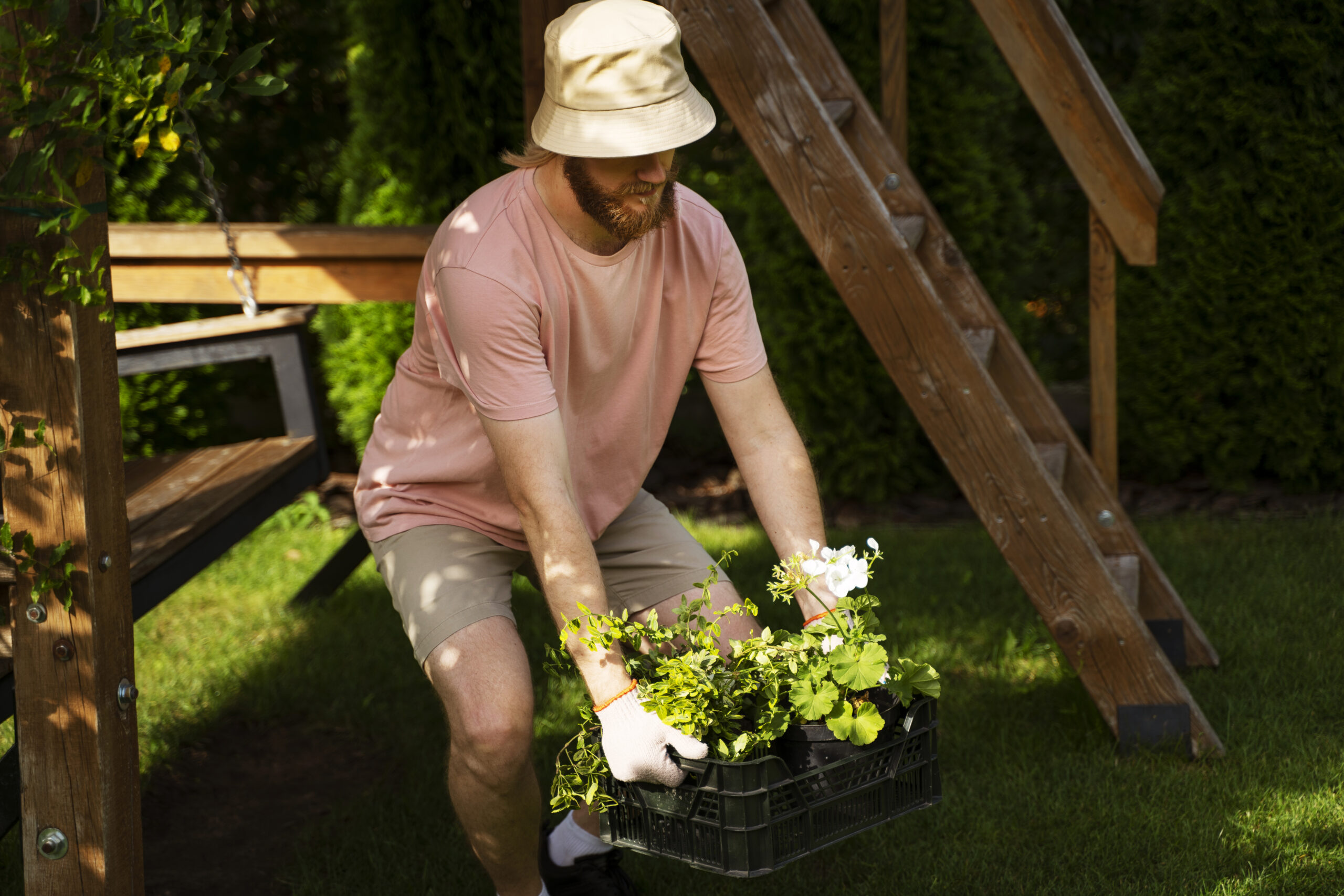
Creating a more sustainable yard involves thoughtful management of soil, plants, water, lawn areas, and organic waste to reduce resource use and support healthier landscapes. Native plants, efficient irrigation, responsible lawn care, composting, stormwater management, and wildlife-friendly practices can help create a resilient and environmentally responsible outdoor space.
A sustainable yard can look beautiful while using fewer resources and supporting a healthier outdoor environment. The best eco-friendly yard ideas come down to smart choices about plants, soil, water, lawn areas, and yard waste. These changes reduce runoff, conserve water, support wildlife, improve soil health, and help your outdoor space stay resilient season after season.
Where to Start With a More Sustainable Yard
Many people ask, “How can I make my yard more sustainable?” Start with the areas that use the most resources. Improving your soil, reducing turf, choosing regionally appropriate plants, adding mulch, and fixing inefficient watering all make a noticeable difference. Once those basics are in place, rain gardens, composting, and rainwater collection build on your progress.
Start With the Soil
· Test and Improve the Soil
Healthy soil is the foundation of a sustainable landscape. Good soil holds moisture, supports roots, cycles nutrients, and reduces runoff. A soil test reveals pH, nutrient levels, and organic matter content, so you can skip unnecessary fertilizer and choose plants that suit your ground.
· Use Mulch to Protect Soil
Organic matter and mulch both build healthier soil. Mulch reduces evaporation, moderates soil temperatures, limits weed growth, and prevents erosion. The EPA recommends about three to four inches of mulch for most planted areas, but keep it clear of tree trunks and woody stems.
Choose Plants for the Local Landscape
One of the simplest sustainable yard ideas is choosing plants that fit your property. Native and regionally appropriate plants have adapted to local climate and soil conditions, so once they settle in, many need less extra water and fertilizer. Many also provide food and shelter for local wildlife.
Before planting, consider sunlight, drainage, moisture, and each plant’s mature size. Grouping plants with similar water needs makes irrigation more efficient. Keep healthy trees and shrubs where you can, too, since established plants usually need fewer resources than new replacements.
Reduce Unnecessary Lawn Areas
· Keep Turf Where It Serves a Purpose
Lawns still earn their place in a sustainable yard, especially where kids play, pets run, or your family gathers outdoors. The goal is to use turf strategically. Turn less-used sections into planting beds, native ground cover, pollinator gardens, or other functional spaces.
· Maintain Grass Efficiently
Choosing the right turfgrass and keeping the soil healthy both reduce how much water your lawn needs. Water when the grass shows signs of stress, such as a dull color or footprints that linger, instead of relying on a fixed schedule.
If you need a new lawn, professionally laid sod establishes turf quickly. A skilled installer also plans around the right lawn placement, soil preparation, and long-term maintenance.
Make Water Use More Efficient
Water conservation sits at the heart of sustainable landscaping. Overwatering wastes resources and adds to runoff, while watering based on what plants actually need encourages deeper, stronger roots.
Rain barrels capture roof runoff so you can reuse it later. You can also direct downspouts toward lawn or garden areas, rain gardens, or infiltration features, as long as the water flows away from your foundation.
Build an Environmentally Friendly Yard
A truly environmentally friendly yard works with natural processes instead of depending on a steady supply of extra water, fertilizer, and chemicals. Permeable walkways, rain gardens, native plant beds, and deep-rooted vegetation all help rainwater soak into the soil instead of rushing across hard surfaces.
· Support Natural Water Infiltration
Healthy soil, proper grading, and deep-rooted plants help manage rainwater right where it falls. Rain gardens slow stormwater down and encourage it to soak in, which cuts the amount of runoff moving across your property.
· Limit Unnecessary Chemicals
Use pesticides and fertilizers carefully and only when your landscape truly needs them. Applying fertilizer at recommended rates reduces nutrient loss, and checking plants regularly for pests helps you avoid unnecessary chemical treatments.
Reduce Yard Waste Naturally
Leaves, grass clippings, branches, and other organic materials don’t always need to leave your property. Leaving clippings on the lawn after you mow returns nutrients to the soil, and shredded leaves make excellent mulch or compost.
Composting turns organic waste into a rich soil amendment and keeps it out of the landfill.
Add Habitat for Local Wildlife
A sustainable yard offers more than visual appeal. Native trees, shrubs, flowers, and ground covers provide food, shelter, and seasonal resources for birds and beneficial insects. A diverse mix of ground covers, flowering plants, shrubs, and mature trees also creates layers of habitat that support a wider range of wildlife.
Steer clear of invasive plants, since some introduced species spread aggressively and crowd out native ones. Choosing plants suited to your site’s soil, light, moisture, and climate leads to healthier growth.
Compare Simple Sustainable Yard Changes
| Yard improvement | Environmental benefit | Maintenance consideration |
| Native plants | Supports habitat and can reduce supplemental water | Choose plants suited to the site |
| Mulch | Retains moisture and protects soil | Refresh as needed |
| Rain garden | Helps capture and infiltrate runoff | Remove weeds and debris |
| Rain barrel | Stores rainwater for later use | Clean and inspect regularly |
| Smaller turf areas | Can reduce irrigation and mowing needs | Keep grass where it serves a purpose |
| Composting | Reuses organic yard waste | Maintain suitable moisture and airflow |
What Makes a Yard Environmentally Friendly?
An environmentally friendly yard uses resources thoughtfully while supporting healthy soil, plants, water movement, and wildlife. Common features include native or climate-appropriate plants, reduced chemical use, efficient irrigation, permeable surfaces, composting, and stormwater practices that help water soak into the ground.
Frequently Asked Questions
How can Indiana homeowners create sustainable yards?
Indiana homeowners can use native plants, rain gardens, healthy turf areas, mulch, composting, and efficient watering. Purdue Extension’s rainscaping resources also offer homeowner-focused guidance on directing stormwater into plants and soil.
What is a sustainable yard?
A sustainable yard is a landscape designed to use fewer natural resources while supporting local wildlife and maintaining a healthy outdoor environment. It may include native plants, efficient irrigation, organic soil practices, composting, natural mulch, and reduced lawn areas.
How can I make my yard more environmentally friendly?
Choose native and climate-appropriate plants, limit chemical fertilizers and pesticides, use compost to improve soil, add mulch to retain moisture, and replace sections of lawn with planting beds or ground covers. Creating habitat with trees, shrubs, flowers, and water sources can also support pollinators and birds.
What sustainable gardening practices work in Indiana?
Practices such as planting Indiana-adapted species, improving soil, reducing unnecessary lawn areas, collecting rainwater, using organic mulch, and managing runoff can support sustainable landscapes.
What are the best low-maintenance plants for a sustainable landscape?
Native plants are often the smartest choice because they’ve already adapted to local soil and climate conditions. Perennials, ornamental grasses, native shrubs, and drought-tolerant plants can also reduce watering and maintenance needs. The best options depend on your region, soil type, sunlight, and available moisture.
How can I reduce water usage in my yard?
Use drought-tolerant or native plants, apply mulch around planting areas, and water deeply but less frequently when appropriate. Drip irrigation and soaker hoses can direct water closer to plant roots, while rain barrels can collect rainwater for suitable landscape uses. Adjusting irrigation schedules seasonally can also help prevent unnecessary watering.
How can homeowners conserve water in Carmel?
Homeowners in Carmel can conserve water by choosing climate-appropriate plants, grouping plants by watering needs, maintaining healthy soil, using mulch, checking irrigation for waste, and watering according to actual plant needs. Rain gardens and rainwater collection can also help manage precipitation on the property.
Conclusion
Creating a sustainable yard happens gradually, one smart choice at a time. Healthy soil, suitable plants, efficient irrigation, less turf, responsible fertilizer use, composting, and stormwater management all benefit your property and the environment around it. Start with one improvement, and it becomes the foundation for the next.
Ready to create a more sustainable outdoor space? Pro Care Horticultural Services can help with sod installation in Indiana that complements your landscape and keeps long-term maintenance simple.